
Books Like Atomic Habits: 10 Books to Read Next
Loved James Clear's Atomic Habits? Instead of a generic list of self-help titles, this decision guide matches your current bottleneck to the exact book you should read next. Product links are curated independently; see our Disclaimer for details.
Which Book Solves Your Current Problem?
Don't pick a book based on generic ratings. Identify your current roadblock and match it directly:
- Struggling to take the first step? Read Tiny Habits by BJ Fogg.
- Want to understand habit psychology & cases? Read The Power of Habit by Charles Duhigg.
- Consistent routines ruined by distraction? Read Deep Work by Cal Newport.
- Overwhelmed by emails, projects & open loops? Read Getting Things Done by David Allen.
- Stretched too thin with too many goals? Read Essentialism by Greg McKeown.
- Fighting creative resistance & procrastination? Read The War of Art by Steven Pressfield.
Below, explore each decision breakdown to decide which book deserves your time.
Tell Me What You Want Next
Select what you want to improve after reading Atomic Habits, and get tailored recommendations.
"You loved the Two-Minute Rule and want even smaller, immediate behavior-starting techniques."
Best Next Picks for Your Goal:
Tiny Habits
Why it fits: Zooms in on making daily behaviors tiny and attaching them to existing anchors.
How it differs: More granular behavior-starting method focused on tiny actions rather than full habit systems.
The Power of Habit
Why it fits: Provides foundational understanding of the Cue-Routine-Reward loop.
How it differs: More story-driven and case-study focused rather than a step-by-step checklist.
At a Glance: Which Book Should You Pick?
Compare all 10 recommended books based on the problem they solve, how they differ from Atomic Habits, and who should read them:
| Book & Author | Primary Problem Solved | Key Difference from Atomic Habits | Best Next Choice |
|---|---|---|---|
| Tiny Habits BJ Fogg | Struggling to take the first step | Micro-behavior initiation & prompt design | Best if starting is hard |
| The Power of Habit Charles Duhigg | Lacking scientific & psychological depth | Journalistic narrative & case studies | Best for habit science |
| Deep Work Cal Newport | Routines destroyed by digital distraction | Focuses on cognitive focus & deep output | Best for professional focus |
| Getting Things Done David Allen | Overwhelmed by open task loops | Procedural task & project management | Best for task systems |
| The 7 Habits of Highly Effective People Stephen R. Covey | Lacking character principles & long-term vision | Holistic paradigm shift & character ethics | Best for life principles |
| The War of Art Steven Pressfield | Creative self-doubt & Resistance | Tough-love manifesto to turn pro | Best for creative work |
| Digital Minimalism Cal Newport | Compulsive smartphone screen addiction | Applies environmental friction to tech | Best for tech reset |
| The Compound Effect Darren Hardy | Losing motivation when progress feels invisible | Compound math of daily choices & momentum | Best for high energy boost |
| How to Change Katy Milkman | Stuck on specific personal roadblocks | Behavioral economics barrier toolkit | Best for diagnostic science |
| Essentialism Greg McKeown | Overcommitted and trying to do too much | Extreme filtering & saying no to non-essentials | Best for focus & elimination |
10 Detailed Decision-First Recommendations
Every recommendation below is structured around your specific challenge: your problem, why this book, what you get, a real-life scenario, differences from Atomic Habits, when to skip, and an honest final verdict.
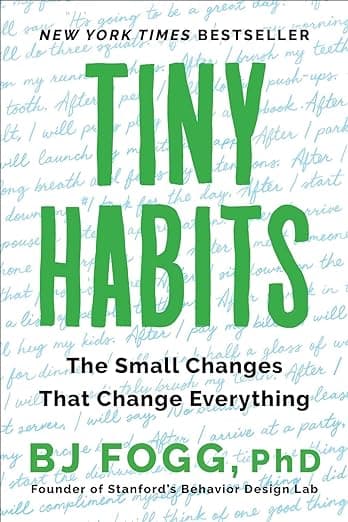
1. Tiny Habits — BJ Fogg
My Problem → Which Book Should I Read?
The Problem: "I understand habit-building theory, but when it comes to taking action today, I overthink, feel overwhelmed, or wait for motivation."
The Choice: Choose Tiny Habits. If your biggest bottleneck is starting, BJ Fogg's method is the single most effective way to eliminate friction. If your habits are easy to start and distraction is your problem, skip this and choose Deep Work.
What This Book Is Actually About
Written by Stanford Behavior Design Lab founder BJ Fogg, Tiny Habits addresses why willpower and motivation frequently fail when starting new habits. Fogg presents the Fogg Behavior Model (B=MAP: Behavior happens when Motivation, Ability, and a Prompt converge simultaneously). Instead of forcing yourself to complete ambitious routines, Fogg advocates shrinking the target action down to an absurdly simple version—such as flossing one tooth or doing two wall pushups. By making the behavior tiny, you eliminate cognitive resistance. The book teaches you how to anchor new habits to existing daily triggers and use positive emotion to wire the habit into your brain.
Why This Book Over Other Options?
Unlike general productivity guides, Tiny Habits offers a precise mechanism for solving behavior initiation. Where other books tell you to "be disciplined," Fogg shows you how to design prompts and lower ability thresholds so that discipline is unnecessary. It solves the starting problem better than any other recommendation on this page.
What You'll Actually Learn
- The Fogg Behavior Model (B=MAP): You'll learn that a behavior only occurs when motivation, ability, and a prompt come together at the same moment. When motivation drops, ability must be extremely high.
- The Power of Anchoring: You'll learn to attach a new tiny behavior directly to an existing automatic routine (e.g., "After I pour my morning coffee, I will open my journal").
- Designing for Ability over Motivation: You'll learn to make behaviors so small that you can perform them even on your worst, most exhausted days.
- Instant Emotional Reinforcement: You'll come away with a celebration technique to immediately encode habit loops in your brain using positive emotion.
How It Could Help You (Realistic Scenario)
Problem: You want to build a daily pushup habit but repeatedly put it off because a 30-pushup workout feels exhausting after work.
Book Idea: Behavior Design & Anchoring.
Application: Commit to doing two wall pushups immediately after flushing the bathroom toilet.
Possible Benefit: Because two wall pushups take 5 seconds, you never skip a day. Over time, the automatic anchor is established, and you naturally expand to full workouts on high-energy days.
How It's Different From Atomic Habits
Atomic Habits gives you a broad system covering environment, identity, continuous tracking, and social reinforcement. Tiny Habits focuses almost exclusively on micro-behavior initiation and prompt architecture. Fogg's writing is grounded in lab research on human-computer design and behavior mechanics, giving it a distinct, granular focus on the micro-moments of daily routine.
What's Interesting About This Book?
- The Flossing One Tooth Experiment: Fogg famously started his own dental hygiene habit by committing to flossing just one single tooth after brushing, which naturally grew into full flossing.
- Emotion Creates Habits, Not Repetition: Fogg challenges the myth that habits take 21 or 66 days of repetition, demonstrating that feelings of immediate success encode neurochemical habit patterns far faster.
- Skip it if you already have no trouble starting daily habits and your real problem is managing a massive task list.
- Skip it if you are looking for a project workflow system (choose Getting Things Done instead).
- Skip it if you prefer story-driven corporate case studies over practical behavioral exercises.
Should You Read It? (My Take)
If your main problem is getting started, Tiny Habits is one of the strongest follow-ups to Atomic Habits. It overlaps with Clear's ideas, but its extremely small behavior approach gives you another practical way to solve the "I know what I should do, but I still don't start" problem. If your habits are already easy to start and distraction is the bigger problem, I'd choose Deep Work instead.
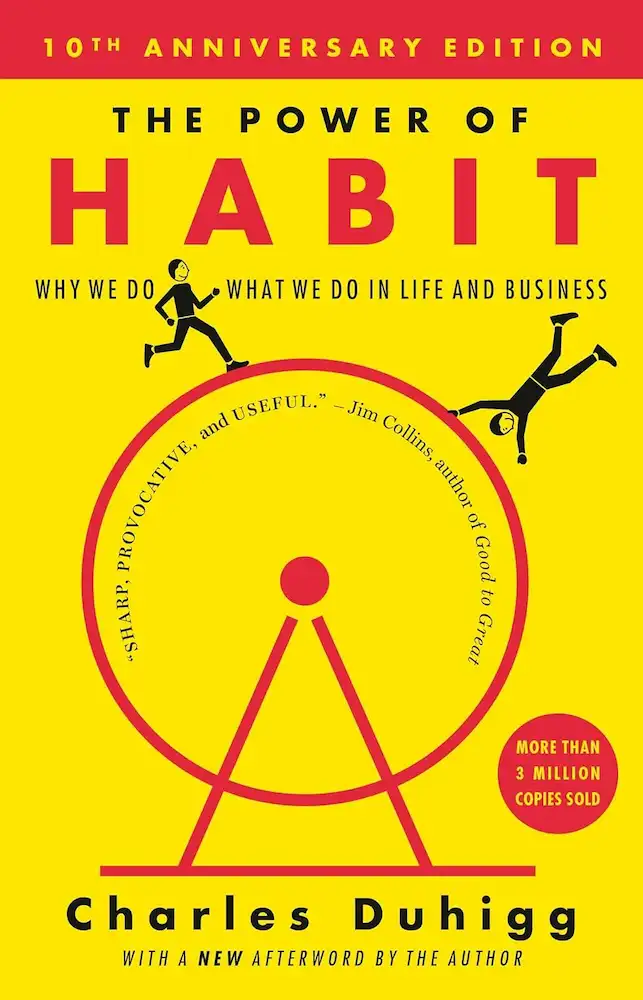
2. The Power of Habit — Charles Duhigg
My Problem → Which Book Should I Read?
The Problem: "My habits make sense, but I don't understand the underlying psychology behind why they work in individuals, businesses, and society."
The Choice: Choose The Power of Habit. If you want rich storytelling and corporate case studies explaining habit loops, Duhigg's book is unmatched. If you want self-help action steps without background stories, stick with Atomic Habits.
What This Book Is Actually About
Pulitzer Prize-winning reporter Charles Duhigg explores how habits operate at the neurological level and how they shape businesses, organizations, and movements. Duhigg breaks down the habit loop into three parts: Cue, Routine, and Reward. Rather than acting as a traditional self-help manual, the book uses rich narrative journalism to illustrate how Procter & Gamble turned Febreze into a billion-dollar product, how Tony Dungy transformed football teams, and how Rosa Parks' refusal to give up her seat sparked a social movement through community habit networks.
Why This Book Over Other Options?
Duhigg popularized the Cue-Routine-Reward loop that James Clear built upon. This book is uniquely valuable because it examines how habits operate at scale—inside corporations, sports teams, and social movements—rather than treating habits purely as an individual self-help topic.
What You'll Actually Learn
- The Three-Step Habit Loop: You'll learn how the brain converts complex sequences of actions into automatic routines triggered by cues and sustained by rewards.
- The Golden Rule of Habit Change: You'll learn that you cannot erase a bad habit; you can only transform it by keeping the old cue and reward while inserting a new routine.
- Keystone Habits: You'll come away with an understanding of foundational habits that trigger positive ripple effects across life and business.
- Organizational Habit Loops: You'll understand how major corporations use habit loops to improve workplace safety or shape consumer purchasing.
How It Could Help You (Realistic Scenario)
Problem: An executive craves a sugary afternoon snack every day at 3:00 PM.
Book Idea: The Golden Rule of Habit Change.
Application: Diagnose that the true cue is a 3:00 PM focus dip and the true reward is social interaction. Replace the cafeteria snack routine with a 5-minute walk to a colleague's desk for a chat.
Possible Benefit: The bad diet routine is eliminated while satisfying the underlying psychological craving.
How It's Different From Atomic Habits
The Power of Habit is investigative reporting and narrative non-fiction. It contains long, immersive stories rather than concise self-help rules. It treats habits as a lens for understanding society, whereas Atomic Habits is designed specifically as a personal productivity playbook.
What's Interesting About This Book?
- The Febreze Marketing Turnaround: P&G initially failed to sell Febreze until marketers repositioned it as a rewarding final step at the end of a cleaning routine.
- Paul O'Neill's Alcoa Safety Transformation: Alcoa's CEO focused exclusively on worker safety as a keystone habit, which inadvertently forced the entire company to overhaul operational efficiency.
- Skip it if you want a quick, actionable checklist of personal habit rules without long stories.
- Skip it if you already understand habit loops and only want personal self-help execution steps.
Should You Read It? (My Take)
If you want to understand the science, history, and social impact of habit loops through fascinating real-world stories, The Power of Habit is the ideal choice. If you already understand the habit loop and just want personal action steps, stick with Atomic Habits or Tiny Habits.
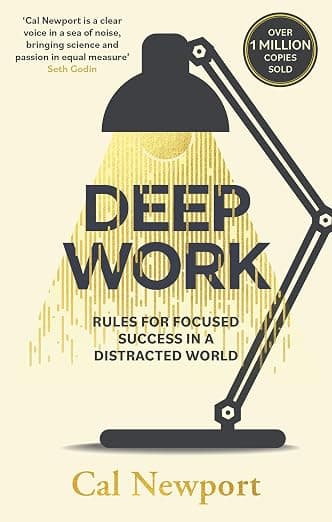
3. Deep Work — Cal Newport
My Problem → Which Book Should I Read?
The Problem: "I have good daily routines, but constant notifications, email, and task-switching shatter my focus, leaving me feeling unproductive at the end of the day."
The Choice: Choose Deep Work. If distraction is holding your habits back, skip another general habit book and read Newport's guide. If your main issue is getting out of bed or basic routine initiation, choose Tiny Habits instead.
What This Book Is Actually About
Computer science professor Cal Newport argues that the ability to perform "deep work"—distraction-free concentration on cognitively demanding tasks—is becoming increasingly rare just as it is becoming increasingly valuable in the modern economy. Most people spend their workdays in "shallow work": fragmented, low-value logistics like responding to Slack messages, checking email, and attending unproductive meetings. Newport presents a practical philosophy for restructuring your work environment, cultivating deep focus routines, and battling digital distraction.
Why This Book Over Other Options?
While Atomic Habits teaches you how to build general routines, Deep Work solves the specific problem of cognitive fragmentation. It gives you an uncompromising framework for protecting intense concentration in an economy engineered for distraction.
What You'll Actually Learn
- The Deep Work Hypothesis: You'll learn why deep focus allows you to master complex skills rapidly and produce elite output in less time.
- The Problem of Attention Residue: You'll learn why switching between tasks leaves cognitive residue in your brain, severely degrading performance.
- The Four Deep Work Philosophies: You'll come away with a focus strategy tailored to your lifestyle (Monastic, Bimodal, Rhythmic, or Journalistic).
- Embracing Deliberate Boredom: You'll learn to train your focus muscle by resisting the urge to check your phone at the first sign of boredom.
How It Could Help You (Realistic Scenario)
Problem: A developer spends 8 hours at work but accomplishes little because Slack popups interrupt them every 10 minutes.
Book Idea: Rhythmic Deep Work Philosophy & Attention Protection.
Application: Block off 8:30 AM to 11:00 AM every morning as a non-negotiable focused window with Slack closed and email muted.
Possible Benefit: In those 2.5 focused hours, they produce more high-quality code than they previously did in an entire week.
How It's Different From Atomic Habits
Where Clear covers general lifestyle habits (fitness, health, finances), Newport focuses sharply on professional focus and intellectual depth. Newport's tone is academic and uncompromising, challenging corporate norms like open offices and constant connectivity.
What's Interesting About This Book?
- Carl Jung's Bollingen Tower: Newport highlights how Carl Jung built a private stone tower without electricity to write deeply away from busy Zurich.
- Attention Residue Research: Sophie Leroy's studies proved that when switching from Task A to B, attention remains fragmented on Task A.
- Skip it if you are looking for basic health, fitness, or personal lifestyle habit advice.
- Skip it if your primary struggle is getting out of bed or starting simple daily routines.
Should You Read It? (My Take)
If your habits are already reasonable but digital distraction is shattering your focus, Deep Work is the single best book to read next. If your bigger issue is starting habits in the first place, choose Tiny Habits instead.
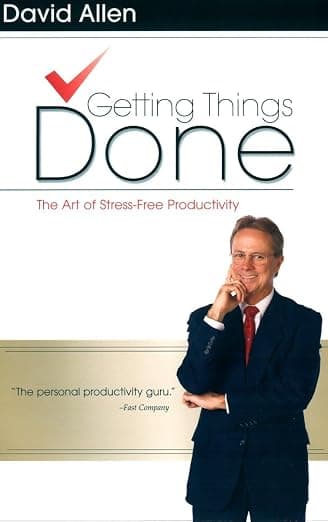
4. Getting Things Done — David Allen
My Problem → Which Book Should I Read?
The Problem: "I am not lazy; I simply have too many unfinished tasks, incoming emails, and open project loops swirling in my head."
The Choice: Choose Getting Things Done. If you need a procedural system for organizing projects and tasks, Allen's GTD framework is the gold standard. If you dislike detailed lists and administrative maintenance, choose Essentialism instead.
What This Book Is Actually About
Veteran productivity consultant David Allen presents the world-famous "GTD" (Getting Things Done) framework for managing personal and professional commitments. Allen's core premise is simple: "Your mind is for having ideas, not holding them." When you rely on your brain to remember tasks, deadlines, and project details, you create constant mental stress. GTD provides a rigorous 5-step workflow—Capture, Clarify, Organize, Review, and Engage—to move every open loop out of your head and into a trusted external system.
Why This Book Over Other Options?
While Atomic Habits teaches systems over goals, GTD provides the actual procedural task-management system to capture and execute projects. It solves task clutter better than any other workflow guide.
What You'll Actually Learn
- The 5-Step GTD Workflow: You'll learn to Capture ideas, Clarify next physical actions, Organize by context, Review weekly, and Engage with confidence.
- The Two-Minute Rule for Tasks: You'll learn to complete any incoming task under two minutes immediately rather than deferring it.
- Next Physical Actions: You'll come away translating vague goals like "Fix car" into concrete physical actions (e.g., "Call mechanic").
- The Weekly Review Ritual: You'll learn to conduct a weekly audit to clear your mind and ensure nothing falls through the cracks.
How It Could Help You (Realistic Scenario)
Problem: A manager feels overwhelmed by 50 unread emails, scattered sticky notes, and looming project deadlines.
Book Idea: Mind Sweep & Next Physical Actions.
Application: Perform a complete mind sweep onto paper, clarify every item into a next physical action, and organize them into context lists.
Possible Benefit: Workplace anxiety drops immediately because every project has a clear next step in a trusted system.
How It's Different From Atomic Habits
Atomic Habits is a behavioral psychology guide about daily habits and identity. GTD is a procedural workflow framework about managing incoming information, emails, projects, and execution lists. GTD requires a structured organizational setup (lists, calendars, reference files).
What's Interesting About This Book?
- Mind Like Water: Allen uses the martial arts concept of a mind reacting appropriately to inputs without holding onto tension afterward.
- The Natural Planning Model: Allen shows how humans naturally plan projects (Purpose → Vision → Brainstorming → Organizing → Next Actions).
- Skip it if you dislike detailed organizational lists and administrative system maintenance.
- Skip it if your main struggle is building simple daily habits like drinking water or exercising.
Should You Read It? (My Take)
If your main problem is managing an overwhelming task list and disorganized projects, GTD is the definitive choice. If you prefer minimal habit building over complex task lists, stick with Atomic Habits.
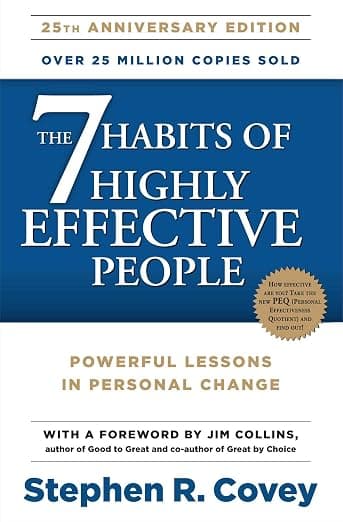
5. The 7 Habits of Highly Effective People — Stephen R. Covey
My Problem → Which Book Should I Read?
The Problem: "I am executing daily tasks, but I feel reactive, lacking core character principles, long-term vision, and clear priorities."
The Choice: Choose The 7 Habits. If you want a principle-centered philosophy of life and leadership, Covey's text is foundational. If you only want short behavioral tips, stick with Atomic Habits.
What This Book Is Actually About
Stephen R. Covey's timeless bestseller approaches success from the inside out. Covey argues that true effectiveness comes not from superficial personality tricks, but from aligning your character with universal principles like integrity, service, and balance. The book guides readers through a continuum of growth: moving from dependence to independence (Habits 1–3: Be Proactive, Begin with the End in Mind, Put First Things First) and then to interdependence (Habits 4–6: Think Win-Win, Seek First to Understand, Synergize), culminating in self-renewal (Habit 7: Sharpen the Saw).
Why This Book Over Other Options?
In Chapter 2 of Atomic Habits, Clear shows that true behavior change is about identity. Covey's book takes that principle and expands it into a comprehensive philosophy of life, character ethics, and principles better than any modern self-help title.
What You'll Actually Learn
- The Inside-Out Paradigm Shift: You'll learn that lasting change starts with your character and core paradigms, not outward hacks.
- Circle of Concern vs. Circle of Influence: You'll learn to focus energy exclusively on things within your control rather than wasting energy on things you cannot influence.
- Quadrant II Time Management: You'll learn to prioritize tasks that are Important but Not Urgent before they become urgent crises.
- Empathy & Win-Win Communication: You'll master Habit 5 ("Seek first to understand, then to be understood") to transform relationships.
How It Could Help You (Realistic Scenario)
Problem: A manager spends every day putting out operational fires, leaving zero time for family or health.
Book Idea: Habit 3 (Put First Things First) & Quadrant II Planning.
Application: Block off non-negotiable time every Sunday evening to plan the upcoming week around primary life roles.
Possible Benefit: By prioritizing important long-term activities before urgent interruptions arrive, they reclaim control over their life.
How It's Different From Atomic Habits
Atomic Habits is a tactical guide focusing on micro-behaviors, habit loops, and practical execution. Covey's book is a broader, foundational text focused on personal ethics, long-term vision, interpersonal synergy, and character development.
What's Interesting About This Book?
- The Emotional Bank Account: Covey explains how interactions make deposits (courtesy, keeping promises) or withdrawals (disrespect, broken promises).
- The Time Management Matrix: Covey's 4-quadrant grid proved high achievers spend most time in Quadrant II (Important, Not Urgent).
- Skip it if you only want fast, tactical behavior tips and short-term efficiency hacks.
- Skip it if you prefer modern, science-heavy self-help over classic principle-based philosophy.
Should You Read It? (My Take)
If you want to anchor your daily atomic habits to a deep foundation of character, vision, and personal principles, Covey's book is an enduring classic. If you prefer modern tactical tips, read Tiny Habits instead.
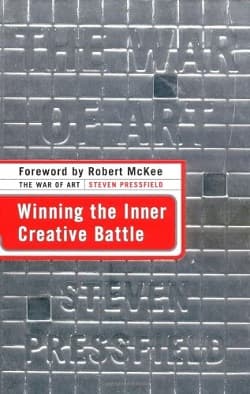
6. The War of Art — Steven Pressfield
My Problem → Which Book Should I Read?
The Problem: "My biggest problem is avoiding difficult creative or ambitious work through self-doubt, fear of failure, and procrastination."
The Choice: Choose The War of Art. If you need a tough-love kick to stop acting like an amateur and turn pro, Pressfield's manifesto delivers raw power. If you prefer scientific research, choose How to Change instead.
What This Book Is Actually About
Novelist Steven Pressfield writes a tough-love manifesto directed at writers, artists, entrepreneurs, and anyone trying to break through internal barriers. Pressfield identifies the universal invisible enemy of progress: Resistance. Resistance is the destructive force that manifests as procrastination, self-doubt, fear, distraction, and rationalization whenever you attempt to launch a business, write a book, or make a positive life change. The book demands that you stop acting like an amateur and start "turning pro" by showing up every single day regardless of mood or inspiration.
Why This Book Over Other Options?
In Chapter 19 of Atomic Habits, Clear notes that professionals stick to the schedule. The War of Art provides the emotional fire to overcome Resistance better than any scientific manual on the market.
What You'll Actually Learn
- Understanding Resistance: You'll learn to recognize Resistance as an active, relentless force designed to stop your growth.
- Turning Pro: You'll learn to shift your mindset from an amateur (who works when inspired) to a professional (who shows up on schedule).
- The Value of Fear: You'll learn that the more fear you feel about a project, the more important that project is to your evolution.
- Conquering Self-Doubt: You'll realize that self-doubt is a normal symptom of caring deeply about your work.
How It Could Help You (Realistic Scenario)
Problem: An aspiring author wants to write a book but makes logical excuses—cleaning, news checking, waiting for inspiration.
Book Idea: Turning Pro & Defeating Resistance.
Application: Recognize excuses as Resistance in disguise. Commit to sitting down at 6:00 AM every morning and writing for 60 minutes regardless of quality.
Possible Benefit: They complete their manuscript in six months by overcoming emotional avoidance.
How It's Different From Atomic Habits
While Clear uses a calm, scientific, step-by-step approach to behavior change, Pressfield uses a fiery, artistic, almost spiritual tone. The War of Art contains short, punchy, unvarnished chapters designed to slap you out of complacency.
What's Interesting About This Book?
- Resistance Target Principle: Pressfield argues Resistance always targets the path of highest personal growth.
- The Professional Definition: Pressfield defines a professional by operational traits: showing up daily, taking pay, and mastering technique.
- Skip it if you prefer scientific research papers, behavioral economics, or structured checklists.
- Skip it if you dislike spiritual or artistic terminology.
Should You Read It? (My Take)
If your biggest barrier is creative procrastination, fear of failure, or emotional self-doubt, The War of Art is essential reading. If you prefer scientific self-help, choose How to Change instead.
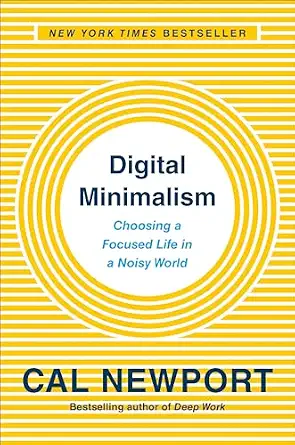
7. Digital Minimalism — Cal Newport
My Problem → Which Book Should I Read?
The Problem: "My phone and social media keep pulling me away from the habits and focus I want to build."
The Choice: Choose Digital Minimalism. If smartphone screen time is ruining your environment, Newport's 30-day reset program is the best solution. If your phone habits are already minimal, choose Essentialism instead.
What This Book Is Actually About
Cal Newport presents a philosophy of technology use in which you radically limit your online time to a small number of carefully selected activities that strongly support things you value. Newport argues that modern tech companies deliberately engineer social media and smartphone features to exploit human psychology for ad revenue. Digital Minimalism offers a practical 30-day "digital declutter" experiment, guiding readers to strip away non-essential digital noise and replace mindless scrolling with high-quality leisure, solitude, and real-world connection.
Why This Book Over Other Options?
Chapter 6 of Atomic Habits shows how environment shapes behavior. Digital Minimalism applies environmental redesign specifically to smartphone addiction better than any other book available.
What You'll Actually Learn
- The Digital Declutter Process: You'll learn to conduct a 30-day technology fast to reset digital baselines.
- The Value of Solitude: You'll understand why time spent free from digital input is essential for mental health.
- High-Quality Leisure: You'll learn to replace passive scrolling with real-world hobbies and physical craftsmanship.
- Reclaiming Attention: You'll establish strict rules for phone usage and social media access.
How It Could Help You (Realistic Scenario)
Problem: Spending 4 hours every evening mindlessly scrolling short-form videos, leaving no energy for reading or exercise.
Book Idea: Digital Declutter & High-Quality Leisure.
Application: Delete social media apps from the phone for 30 days, move phone charger to another room at 8:00 PM, and join a local woodworking workshop.
Possible Benefit: Reclaim 15+ hours a week for meaningful habits while reducing anxiety.
How It's Different From Atomic Habits
While Atomic Habits covers all habits generally, Digital Minimalism focuses specifically on the toxic digital habits created by smartphones, social media feeds, and notification loops.
What's Interesting About This Book?
- The Slot Machine Effect: Newport shows how notification badges and pull-to-refresh feeds use intermittent rewards to cause compulsive checking.
- Solitude Deprivation: Newport highlights how going an entire day without solitude causes unprecedented spikes in anxiety.
- Skip it if you already have disciplined, minimal phone habits.
- Skip it if you are looking for general career or business productivity advice.
Should You Read It? (My Take)
If digital distraction and smartphone screen time are sabotaging your atomic habits, Digital Minimalism provides the exact reset program you need. If phone habits aren't an issue, choose Essentialism instead.
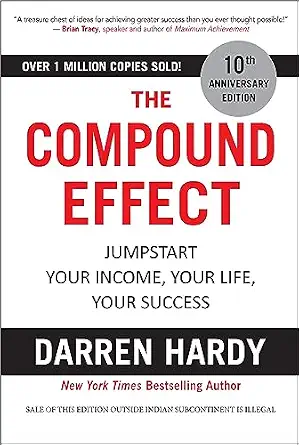
8. The Compound Effect — Darren Hardy
My Problem → Which Book Should I Read?
The Problem: "I struggle to stay consistent because my small daily efforts feel like they aren't making a visible difference."
The Choice: Choose The Compound Effect. Hardy's high-energy motivational approach and choice tracking provide an inspiring booster shot. If you prefer scientific research over traditional self-help motivation, choose How to Change instead.
What This Book Is Actually About
Former SUCCESS Magazine publisher Darren Hardy presents a straightforward framework showing how tiny, smart choices executed consistently over time produce massive long-term results. Hardy emphasizes that success is not the result of sudden leaps or secret formulas, but the compound interest of everyday decisions. The book covers how to track daily choices, build momentum (using the concept of "Big Mo"), eliminate personal triggers, and outpace competitors through disciplined consistency.
Why This Book Over Other Options?
Like Clear, Hardy focuses on small habits compounding over time. Hardy's unique value lies in his high-energy, business-focused drive and practical choice-tracking registers that make compounding visible.
What You'll Actually Learn
- The Compound Effect Formula: You'll learn how Small, Smart Choices + Consistency + Time = Radical Difference.
- The Rhythm Register: You'll learn to track small daily behaviors using simple registers to maintain accountability.
- Harnessing "Big Mo": You'll learn to build initial momentum through routine so that progress becomes effortless.
- Uncovering Hidden Habits: You'll audit subtle choices (like a daily $5 coffee) that compound into major negative outcomes over years.
How It Could Help You (Realistic Scenario)
Problem: Wanting to improve financial health but feeling like small savings don't matter.
Book Idea: Daily Choice Tracking & Compounding.
Application: Track every single penny spent in a notebook for 30 days, discover small impulse buys compound to $300/month, and redirect it into an index fund.
Possible Benefit: Build a substantial investment nest egg over 10 years through minor choice adjustments.
How It's Different From Atomic Habits
Atomic Habits is a scientific, behavior-design framework focused on cue-craving-response loops. The Compound Effect is a traditional, high-tempo personal development book focused on personal accountability, choice tracking, momentum, and business drive.
What's Interesting About This Book?
- The Three Friends Scenario: Hardy compares three friends over 31 months, proving how 125 extra vs. fewer calories daily creates staggering physical differences.
- The Magic Penny Dilemma: Hardy uses the classic math puzzle ($3M cash vs. 1 cent doubled daily for 31 days = $10.7M) to show how compounding looks invisible initially.
- Skip it if you want deep neurological research or complex behavioral frameworks.
- Skip it if you have already read Atomic Habits and prefer scientific texts over traditional motivation.
Should You Read It? (My Take)
If you need an inspiring, high-energy booster shot to stay committed to your 1% daily gains, The Compound Effect delivers fast value. If you prefer academic research, choose How to Change instead.
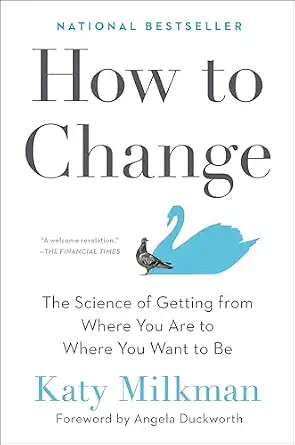
9. How to Change — Katy Milkman
My Problem → Which Book Should I Read?
The Problem: "I face specific personal behavioral roadblocks like procrastination, impulsivity, or forgetfulness and need scientific solutions."
The Choice: Choose How to Change. Milkman's behavioral economics approach provides targeted interventions for specific obstacles. If you prefer broad self-help rules, stick with Atomic Habits.
What This Book Is Actually About
Award-winning Wharton professor Katy Milkman presents a science-backed toolkit for overcoming the specific psychological barriers that stand between where you are and where you want to be. Instead of treating behavior change as a one-size-fits-all formula, Milkman demonstrates that different problems require different solutions. She pairs specific behavioral science insights with common roadblocks like getting started (the Fresh Start Effect), impulsivity (temptation bundling), forgetfulness (prompts and implementation intentions), and laziness (default options).
Why This Book Over Other Options?
Clear cites Katy Milkman's research extensively in Atomic Habits (such as Temptation Bundling). This book is unique because it organizes solutions around specific personal roadblocks rather than a single unified habit loop.
What You'll Actually Learn
- The Fresh Start Effect: You'll learn to capitalize on natural temporal landmarks (New Year's, birthdays, Mondays) for behavioral resets.
- Temptation Bundling: You'll learn to pair a behavior you need to do with a reward you love (e.g., favorite podcast only while cleaning).
- Gamification & Commitment Devices: You'll learn to use financial or social commitment devices to make bad habits costly.
- Overcoming Forgetfulness with Piggybacking: You'll learn conditional plans ("If [Trigger], then [Action]") to prevent forgetting.
How It Could Help You (Realistic Scenario)
Problem: Struggling to study for professional exams because watching TV after work is more attractive.
Book Idea: Temptation Bundling.
Application: Allow yourself to watch your favorite reality TV show only while walking on the treadmill or organizing study notes.
Possible Benefit: Studying transforms from a chore into an anticipated event by pairing it with a indulgence.
How It's Different From Atomic Habits
While Clear organizes his book around the Four Laws of Behavior Change, Milkman organizes her book around specific personal roadblocks (Procrastination, Impulsivity, Forgetfulness, Laziness). Her writing includes direct accounts of academic field experiments.
What's Interesting About This Book?
- Fresh Start Science: Milkman proved gym attendance and goal creation spike after fresh start dates because people separate past self from future self.
- Vaccination Reminder Experiment: Simply asking people to write down the date and time they planned to get a flu shot increased vaccination rates.
- Skip it if you want a simple, unscientific motivational book.
- Skip it if you already apply habit loops effectively and don't care about academic research details.
Should You Read It? (My Take)
If you want to understand the rigorous behavioral science behind temptation bundling and fresh starts, Milkman's book is an exceptional choice. If you prefer unscientific motivational books, choose The Compound Effect instead.
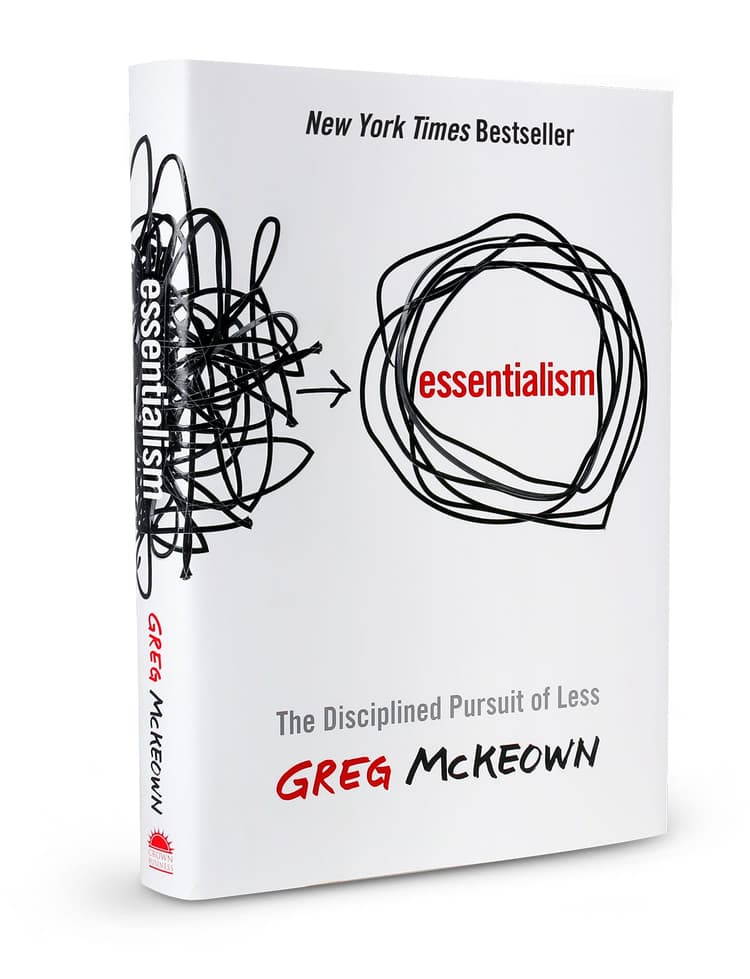
10. Essentialism — Greg McKeown
My Problem → Which Book Should I Read?
The Problem: "I keep saying yes to too many non-essential commitments, leaving zero time or energy for the habits that truly matter."
The Choice: Choose Essentialism. If your problem is goal overload, McKeown's prioritization framework is the ultimate solution. If your commitments are already clear and task tracking is your issue, choose Getting Things Done instead.
What This Book Is Actually About
Leadership strategist Greg McKeown presents Essentialism: The Disciplined Pursuit of Less. McKeown argues that most people are overcommitted, stretched thin, and busy but unproductive because they say yes to too many non-essential requests. Essentialism is not about getting more things done in less time; it is about getting only the right things done. The book provides a systematic framework for evaluating choices, eliminating non-essentials gracefully, and designing an effortless execution system around your highest priority.
Why This Book Over Other Options?
Building habits often leads to habit overload (trying to build 15 habits at once). Essentialism is unique because it teaches elimination and prioritization before you attempt to optimize your routine.
What You'll Actually Learn
- The Core Mindset of an Essentialist: You'll shift from "I have to do everything" to "I choose to focus on a few things that matter deeply."
- The Power of Extreme Filtering: You'll learn to evaluate opportunities with strict criteria (if it isn't a clear "Hell Yes!", it is a firm "No").
- The Art of Graceful Elimination: You'll learn how to say no politely and firmly to low-value requests without burning bridges.
- Uncluttering Your Schedule: You'll remove non-essential commitments to create buffer time for deep thinking and strategic planning.
How It Could Help You (Realistic Scenario)
Problem: A freelancer works 60 hours a week across 12 low-paying clients, leaving zero time for health or skill improvement.
Book Idea: Extreme Filtering & Graceful Elimination.
Application: Drop the bottom 8 low-margin clients, raise rates on the top 4, and free up 25 hours a week for high-value work and health habits.
Possible Benefit: Reclaim mental clarity and personal life by pursuing less.
How It's Different From Atomic Habits
Atomic Habits teaches you how to build efficient behavioral loops. Essentialism teaches you how to ruthlessly eliminate goals and commitments before you build habits around them. It is a prioritization framework rather than a habit manual.
What's Interesting About This Book?
- The Trade-Off Principle: Essentialists ask "Which trade-off am I willing to make?" rather than trying to make everything work.
- The Closet Cleanout Metaphor: McKeown compares schedule management to cleaning out a closet: ask "If I didn't already own this, how much would I pay to buy it today?"
- Skip it if you already have a clear focus and simply need daily behavior execution.
- Skip it if you are looking for a detailed technical habit tracker.
Should You Read It? (My Take)
If you feel overwhelmed, overcommitted, and stretched far too thin, Essentialism is the single best book to read next. It prevents habit overload by ensuring your atomic habits are focused exclusively on what truly matters.
If You Liked This Part of Atomic Habits...
Match your favorite concept from James Clear's book to the ideal next reading recommendation:
Liked: "The Two-Minute Rule"
→ Read Tiny Habits by BJ Fogg
Liked: "The Habit Loop (Cue/Reward)"
→ Read The Power of Habit by Charles Duhigg
Liked: "The Goldilocks Rule (Ch. 19)"
→ Read Deep Work by Cal Newport
Liked: "Systems Over Goals"
→ Read Getting Things Done by David Allen
Liked: "Identity-Based Habits (Ch. 2)"
→ Read The 7 Habits of Highly Effective People
Liked: "Environment Design (Ch. 6)"
→ Read Digital Minimalism by Cal Newport
Atomic Habits vs Tiny Habits
A common question from readers is how James Clear's book compares to BJ Fogg's Tiny Habits.
- Atomic Habits: Provides a broader system built around the Four Laws of Behavior Change (Make It Obvious, Attractive, Easy, Satisfying). It covers identity, environment, and long-term consistency.
- Tiny Habits: Focuses specifically on shrinking new behaviors down to less than 30 seconds and anchoring them to existing daily triggers.
Verdict: Use Atomic Habits for your overarching lifestyle architecture; use Tiny Habits when you struggle to get hard habits off the ground.
Atomic Habits vs The Power of Habit
Charles Duhigg's The Power of Habit and James Clear's Atomic Habits are often discussed together.
- The Power of Habit: A journalistic exploration of habit science filled with memorable corporate and social case studies (e.g., Procter & Gamble, Target, Rosa Parks).
- Atomic Habits: A tactical self-help framework designed for direct personal implementation.
Verdict: Read The Power of Habit to understand why habits exist; read Atomic Habits to build or break specific habits today.
What Readers Commonly Want After Atomic Habits
Across reader discussions on platforms like Reddit and Goodreads, readers who loved Atomic Habits typically fall into five distinct categories:
- The Practice Seekers: Readers who found the book easy to read and digest, and want another highly actionable, practical guide (e.g., Tiny Habits).
- The Science Seekers: Readers who want to dive deeper into the neuroscience and behavioral research behind habits (e.g., The Power of Habit, How to Change).
- The Distraction Fighters: Readers whose main obstacle isn't building habits, but stopping digital distraction (e.g., Deep Work, Digital Minimalism).
- The System Builders: Readers who want to organize their daily projects and task management workflows (e.g., Getting Things Done).
- The Action Takers: Readers who realize they don't need another book—they simply need to apply the Four Laws to their lives.
A Simple Reading Path After Atomic Habits
If you want a logical progression, here is one effective reading sequence:
↓ Next step depending on bottleneck
↓ Next step for focus
↓ Next step for workflow
You Don't Need to Read All 10
A common trap in personal development is turning reading about productivity into a form of procrastination.
If Atomic Habits already gave you a system that is currently working, do not pick up another book right now. Put the book down and focus on executing your habits.
Only choose a new book when you face a specific bottleneck that your current system cannot solve.
Need a quick reference?
Get the entire Atomic Habits system condensed into a fast, actionable guide.
Frequently Asked Questions
Q: What are the best books like Atomic Habits?
A: The best books like Atomic Habits depend on your next goal: Tiny Habits by BJ Fogg (for smaller starting steps), The Power of Habit by Charles Duhigg (for habit psychology), Deep Work by Cal Newport (for focused concentration), and Getting Things Done by David Allen (for task systems).
Q: What should I read after Atomic Habits?
A: If you want to refine behavior initiation, read Tiny Habits. If you want more scientific research and case studies, read The Power of Habit or How to Change. If your habits are solid but distraction is your main issue, read Deep Work.
Q: Is Tiny Habits better than Atomic Habits?
A: Neither is universally better. Atomic Habits provides a comprehensive system based on the Four Laws of Behavior Change. Tiny Habits focuses specifically on making behaviors extremely small and linking them to existing triggers.
Q: Is The Power of Habit similar to Atomic Habits?
A: Yes. Both books cover the neurological loop of habits (Cue, Craving/Routine, Reward). The Power of Habit focuses more on corporate case studies and psychology stories, while Atomic Habits offers a more practical self-help system.
Q: What should I read after Atomic Habits for productivity?
A: For task and project organization, read Getting Things Done by David Allen. For deep concentration and avoiding digital distraction, read Deep Work by Cal Newport.
Q: Do I need to read another habit book after Atomic Habits?
A: Not necessarily. If Atomic Habits gave you a framework you are actively applying, focus on practicing those principles. Only pick up another book if you face a specific new bottleneck like distraction, task overload, or creative resistance.
Pick One Book and Start There
Don't turn book recommendations into another form of procrastination. Identify your single biggest bottleneck right now—starting, focus, or task organization—pick one book, and start reading.
Recommended Reading & Next Steps
Explore related chapter breakdowns, interactive tools, and practical guides:
Atomic Habits 1-Page Cheat Sheet (PDF)
The condensed printable 1-page summary of all 4 laws, loops, formulas, and inversion matrix.
Identity-Based Habits & Identity Circle
Learn how identity shapes habits, the 3 layers of behavior change, and how actions cast votes.
The Two-Minute Rule for Procrastination
Scale down new habits so the entry point takes under 2 minutes. Master showing up first.